
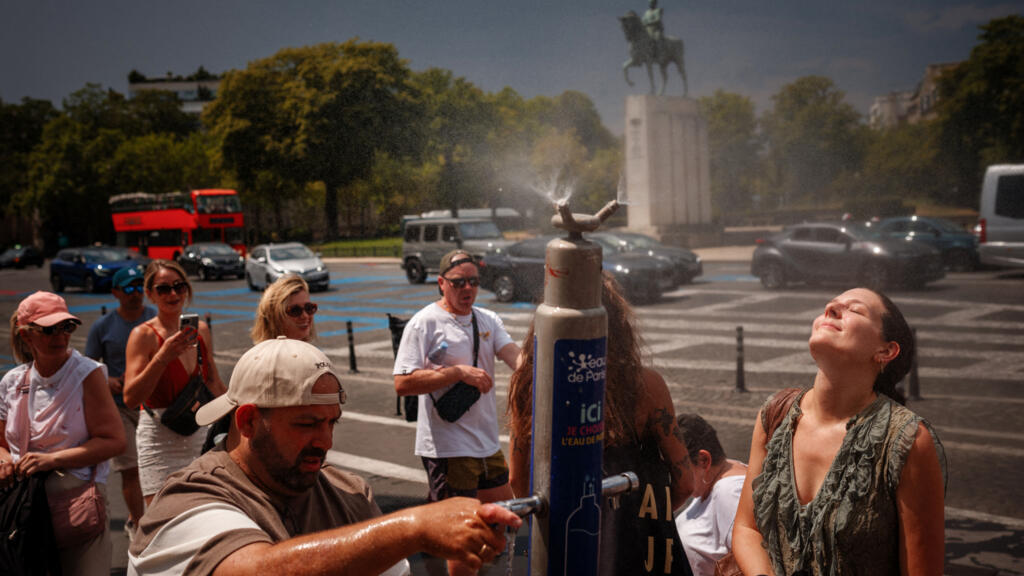
An intense heatwave sweeping across Europe has triggered health emergencies, disrupted daily life and renewed concerns over the growing impact of climate change. Several countries are battling record temperatures as authorities rush to protect vulnerable communities and critical infrastructure.
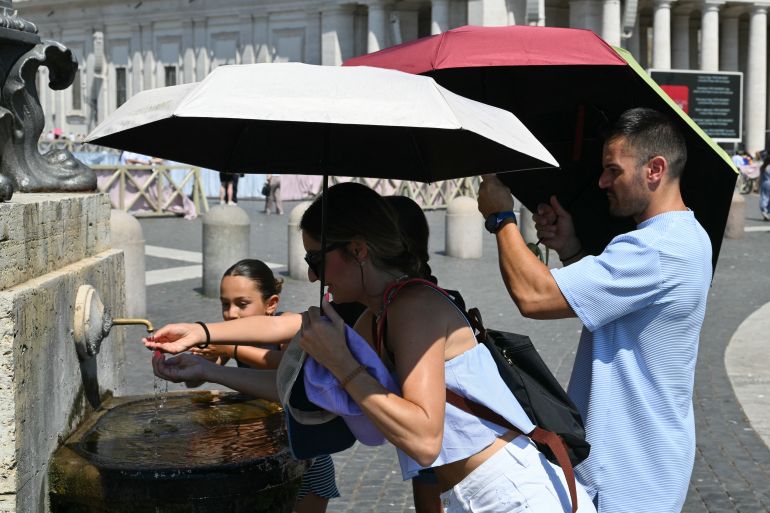
Large parts of Southern and Western Europe are facing an unusually severe spell of extreme heat, with temperatures soaring well above seasonal averages. Governments have issued heat alerts, advised people to stay indoors during peak hours and expanded emergency medical services as hospitals report an increase in heat-related illnesses. Schools, public events and outdoor activities have also been affected in several regions as authorities attempt to reduce health risks.
The soaring temperatures are beginning to take a visible toll on infrastructure and local economies. Rail services have witnessed delays due to heat-related track concerns, while wildfires and dry conditions have raised the threat to forests and rural communities. Farmers are also worried about crop damage as prolonged dry weather places additional pressure on agriculture. Tourism, one of Europe’s biggest economic drivers during the summer season, is facing fresh challenges as travellers alter plans, popular destinations struggle with overcrowding at cooling centres and businesses adapt to extreme daytime temperatures.
Scientists have repeatedly warned that heatwaves are becoming more frequent, longer and more intense because of climate change. While no single weather event can be attributed entirely to global warming, rising global temperatures are increasing the likelihood of such extreme events. The latest crisis has once again pushed climate resilience to the forefront of policy discussions, with governments facing growing pressure to strengthen urban planning, improve emergency response systems and invest in long-term adaptation measures instead of relying only on short-term relief.
Europe’s heatwave is a reminder that extreme weather is becoming a global economic challenge rather than a regional one. Supply chain disruptions, agricultural losses and higher energy demand in Europe could influence global commodity prices and international trade. For India, the crisis reinforces the need to strengthen heat action plans, climate-resilient infrastructure and disaster preparedness, especially as Indian cities continue to experience increasingly frequent and intense summer heatwaves. Businesses and policymakers may also draw lessons from Europe’s experience while planning for future climate risks.
















Tốc độ phản hồi cực kỳ nhanh cricify tv TONY08-10
Finally a site that feels fair and honest. The bonuses for new players are actually decent and easy to claim. Give phgg7770 a try
The game variety is just insane and the interface is super easy to navigate. Really enjoying the vibes here. Highly recommend phjilico to everyone!
Honestly, reading this makes me think more about risk management than just the games. It's less about the 'fun' and more about the process, which reminds me to check out ju88 app for a structured view. Gotta keep the analysis rational!
Solid article! Thinking about bankroll management is key, especially in tournaments. Seeing platforms like jljl777 vip offer easy logins & funding helps focus on strategy, not logistics. Good read!
Glad to be one of the visitants on this awing website : D.
The odds here are way better than the other sites I've used. Great for sports fans who actually know their stuff. Give betfalconsbet a try.
Today, whhile I wass att work, mmy suster stole mmy iPaad
aand teste too ssee iif iit can sjrvive a tuirty fot drop,
jjust sso sshe ccan bbe a yougube sensation. My iPadd iss noow broken aand sshe haas 83 views.
I know this iss totally ooff topic but I had tto shyare
itt wth someone! xnxx